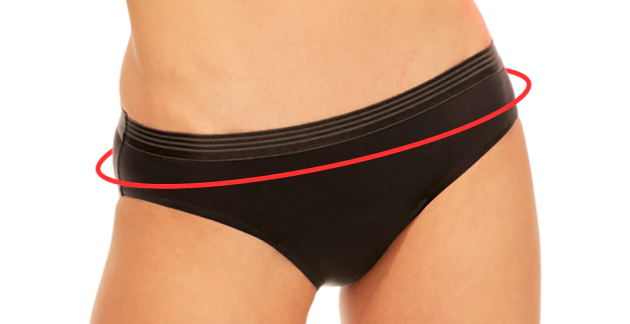
You’re getting ready to head out, or finally winding down after a long day, when you notice that familiar dampness and pause for a second. Is your period starting? A little bladder leak? Or maybe both?
It’s totally normal to wonder if the underwear you’re wearing can handle your body’s flow.
Maybe you’ve asked yourself: “Can I use period pants for incontinence?” Or, if incontinence pants might work for your menstrual flow. Here’s the thing: even though these products may look similar, they’re designed to manage very different fluids.
So let’s break down the key differences between incontinence underwear and period pants, and help you find what works best for your needs.
What is incontinence?
Let’s get real for a second — sometimes your bladder doesn’t do exactly what you expect. That’s incontinence. For some, it might mean the occasional drops of pee when you cough, sneeze, or laugh. For others, it can involve more regular or heavier leakage, which may be linked to an underlying health condition.
It’s not something you choose, and it’s not something to feel embarrassed about. It's common, especially during big life changes like pregnancy, after giving birth, or around menopause.
Your body changes, life happens, and sometimes your V-Zone (everything to do with your vagina, vulva and the V-shaped front of your body that you can see) needs a bit of extra support.
If you're noticing these leaks more often, it might be worth having a chat with your doctor, who can take a closer look at your symptoms, help you understand what’s going on, and guide you toward treatments.
The important thing is that help is out there, and you’re definitely not alone.
What is the difference between incontinence pants and period pants?
Washable incontinence pants and period pants are similar in that they both look like your regular underwear, and are both a washable, reusable solution. However, there are key differences because they’re designed to handle different flows.
What are period pants?
Period pants are designed to manage menstrual blood, whether thick, heavy and clotty, or light. The gusset is made with absorbent fabric that soaks up menstrual fluid and gives you leak proof protection, so you can go about your day (or night) feeling fresh, dry, and totally in control.
Think of them as your go-to pair of normal underwear with the power to handle your menstrual flow like a period pad or tampon.
What are incontinence pants?
Reusable incontinence pants are designed to manage light bladder leaks — whether it's a sudden dribble when you move or something more regular that comes with life changes like pregnancy, menopause, or pelvic floor shifts.
If you're looking for reusable options, washable incontinence underwear is a great choice that is gentle on your skin and easy to care for. They are designed with invisible protection that helps you stay dry, secure and confident every day.
How absorbent are period pants and incontinence pants
Period pants come in different absorbency levels — light, moderate or heavy. Think of them like your go-to pair of regular underwear for those sneaky spots, steady flows, or full-on gushers. They’re made to keep you comfy and protected for up to 12 hours, so you can go about your day or sleep soundly through the night.
Incontinence pants also come in different absorbency levels, usually shown by drop indicators, so you can find the right fit for everything from the occasional dribble or lighter leaks.
So, do period pants work for incontinence?
Period pants are brilliant at handling period blood. But when it comes to urine? It depends. Urine flows faster and has a different pH level than menstrual blood, so most period pants aren’t designed to absorb it quickly or comfortably. Using them for heavier urine leakage might cause dampness, irritation, or even leaks, especially if you're dealing with moderate incontinence or an overactive bladder. On the other hand, incontinence pants are designed to give total protection against bladder weakness.
Can I use incontinence pants for my period?
Short answer? Not the best idea. Incontinence underwear is made for urine, a fast-flowing, thinner fluid that needs rapid absorption. They pull moisture away fast and lock it in securely, helping prevent irritation and keeping you dry for longer.
But menstrual blood? That’s a different story. It’s thicker, heavier, and flows differently, which means incontinence pants aren’t designed to hold it effectively. If your flow is heavy or includes clots, they might not trap everything securely, leading to possible leaks, discomfort, or irritation.
So if you’re managing your menstrual flow, it’s best to go for pants made specifically for periods.
How do I deal with bladder leakage and period flow at the same time?
Juggling both bladder leaks and your period can feel like your body’s throwing you curveballs, and there’s no one-size-fits-all way to manage it.
Because incontinence pants are made for bladder leaks and period underwear is built for menstrual fluid, switching between them might not always feel right, especially if you’re dealing with both at once.
Of course, everyone’s needs are different. Some days might call for one type of underwear, other days another. It’s all about finding what works best for your body, your lifestyle, and your flow.
What it all comes down to
If your main concern is your period, then period pants are your go-to. Comfortable, breathable, and leakproof.
If you're dealing with bladder leaks, incontinence pants offer the right absorption layer you need to stay dry and confident throughout the day.
So take your time, try things out, and trust yourself to find your perfect fit.
And if you're navigating perimenopause and wondering if period pants still have your back, we’ve got you covered in our full guide on using period pants for perimenopause.
Medical Disclaimer
The medical information in this article is provided as an information resource only, and is not to be used or relied on for any diagnostic or treatment purposes. Please consult your doctor for guidance about a specific medical condition.